THURS-052 - Mobilizing the Next Generation and Preparing Communities to Meet the Health Challenges from Extreme Weather
Thursday, April 23, 2026
11:45 AM - 12:45 PM PST
Location: Plaza Foyer, Plaza Level
Area of Responsibility: Area V: Advocacy Keywords: Advocacy@@@Career Development and Professional Preparation@@@Community Health, Subcompetencies: 5.1.1 Examine the determinants of health and their underlying causes (e.g., poverty, trauma, and population-based discrimination) related to identifie, 5.3.2 Use traditional, social, and emerging technologies and methods to mobilize support for policy, system, or environmental change. Research or Practice: Practice
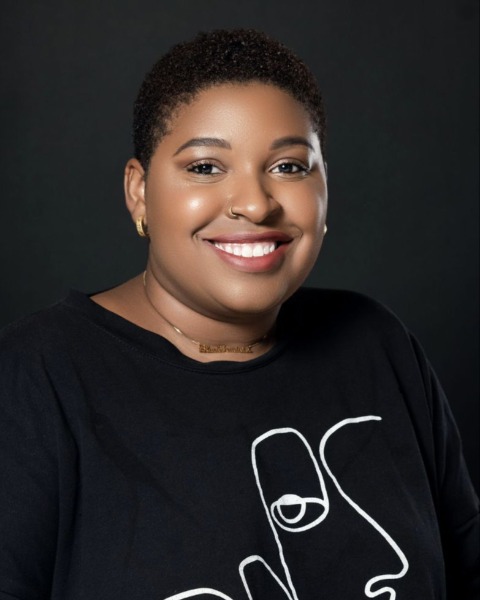
Training Lead Girl Plus Environment Atlanta, Georgia, United States
Learning Objectives:
At the end of this session, participants will be able to:
Evaluate at least three ways the cohorts strengthen the leadership of Black and Brown women and other key audiences in the public health and community action field
Describe at least three qualities of effective mentorship programs that support the growth and impact of the emerging environmental action workforce
Identify how lessons from this cohort can apply to health education workforce development
Brief Abstract Summary: Learn how the Gulf South Cohort, a yearlong community-based fellowship in Alabama, equips young Black and Brown women+ to meet health challenges caused by extreme weather.Hear how mentorship, culturally responsive training, and structured coaching cultivate community-building skills, strengthen public voice, and prepare participants to influence policy and mobilize communities. Discover a replicable roadmap for recruiting diverse fellows, designing a curriculum rooted in meeting the needs of communities most at risk, public health, and sustaining engagement through monthly trainings and mentorship circles. Gain tools and templates to build similar fellowships, launch mentoring pipelines, prioritize health for all, belonging, and culturally relevant engagement to strengthen leadership development and advance community resilience against extreme weather events.
Detailed abstract description: This session shares a field-tested blueprint for training the next generation of leaders through the Gulf South Cohort, a yearlong, community-based fellowship rooted in meeting the needs of communities most at risk, public health, and community organizing to address the impacts of extreme weather on health. Designed for young Black and Brown women and other key audiences in Alabama, the program blends in-person trainings, virtual coaching, and a capstone activation to move participants from awareness to action. Program content focuses on communities that have experienced historical and current disinvestment and have inadequate health and economic infrastructure in the Gulf South., The session covers communication and storytelling for action, builds leadership skills, and culminates in a final community project. The approach focuses on mentorship, peer learning, and culturally relevant activation so participants build voice and engage with confidence. Participants will gain a step-by-step roadmap for designing, launching, and sustaining a fellowship that integrates the impact of extreme weather on public health. We will share practical guidance on: recruitment strategies that diversify the pipeline and remove barriers for underrepresented leaders, curriculum design that blends technical content with leadership development, storytelling, and organizing skills, mentorship and coaching structures that foster belonging, resilience, and a culture of continuous learning; evaluation tools that track skills gained, actions, and community impact over time, event planning frameworks for cultural activations that connect action to community well-being. Attendees will leave with actionable templates and handouts to adapt this model to their own institutions, coalitions, or communities. Building a skilled, diverse workforce ready to tackle the impact of extreme weather on health is urgent. This session demonstrates how local, community-driven programs can have a global impact by transforming both participants and the systems they engage. By April 2026, the Alabama cohort will have completed all core trainings, advanced through sustained virtual coaching, and hosted their cultural climate event. We will share preliminary outcomes, including skill growth in action, the number of community activations planned, and examples of fellows using their training to influence policy and strengthen local resilience. Attendees should come ready to recognize the value of inclusive, community-rooted approaches to leadership development and leave equipped to replicate this fellowship in their own contexts. Whether you’re an educator, public health professional, coalition leader, or mentor, you will gain tools to recruit diverse leaders, cultivate their growth, and create pathways for lasting impact.