THURS-095 - Ku'i I Ka Lono - How Hawaiian History and Cultural Knowledge Influences Health Communication
Thursday, April 23, 2026
5:00 PM - 6:00 PM PST
Location: Plaza Foyer, Plaza Level
Area of Responsibility: Area VI: Communication Keywords: Community Health@@@Cultural Competence@@@Health Equity, Subcompetencies: 1.3.2 Determine the knowledge, attitudes, beliefs, skills, and behaviors that impact the health and health literacy of the priority population(s)., 2.1.2 Facilitate collaborative efforts among priority populations, partners, and stakeholders. Research or Practice: Practice
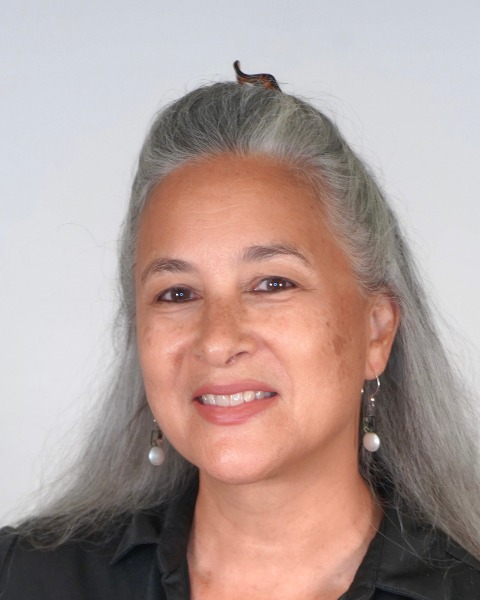
Director, Communication & Community Engagement Papa Ola Lōkahi Honolulu, Hawaii, United States
Learning Objectives:
At the end of this session, participants will be able to:
Describe how historical references and historical figures are used to influence health communication in the Native Hawaiian health community.
Describe how cultural knowledge, attitudes and beliefs and practices are utilized to influence health behaviors among Native Hawaiian & Pacific Islander communities.
Increase awareness of health disparities among Native Hawaiian and Pacific Islander communities
Brief Abstract Summary: Health communication faces challenges including mis- and disinformation, distrust of scientists, and the need for timely and adaptive strategies. For Native Hawaiians, these issues intersect with a history of colonization and language oppression, requiring distinct approaches. Native Hawaiians and Pacific Islanders, already burdened by chronic diseases, were further impacted by the COVID-19 pandemic and Maui wildfires, compelling us to address inequities through community-centered outreach. Our analysis highlights how history, culture, and ancestral knowledge ground effective health promotion.
Detailed abstract description: Health communication today reveals significant challenges: the spread of mis- and disinformation, widespread distrust of scientists and public health systems, and the need for public health communicators to adapt rapidly and in a timely manner. For Native Hawaiians, these challenges intersect with our unique history of colonization and the simultaneous oppression of our language and culture, requiring strategies that are distinct from conventional health communication frameworks.
Recognizing that Native Hawaiians and Pacific Islanders—already disproportionately impacted with higher morbidity and mortality to the burden of chronic diseases—were significantly impacted by other recent catastrophe in Hawaii: the COVID-19 pandemic and shutdown and the Maui wildfires, we were compelled to address the inequities through enhanced public health information and outreach.
Our analysis looks at the role of history, culture, and knowledge in grounding and validating health promotion that will influence healthy behaviors. We will share the stories of how our 19th century monarchs closed the seaports to reduce the spread of foreign, infectious diseases; how community leaders went door-to-door to educate and encourage family vaccinations. We will provide examples of how the practices of our cherished elders were adapted using modern technologies for health promotion and intervention.
Cultural practices such as moʻolelo (storytelling), kaona (metaphor), and ʻike kupuna (ancestral knowledge) provide more than symbolic value; they are proven strategies to engage communities in ways that data and research alone cannot. Framing health promotion through a historical lens resulted in more successful messages that bridged traditional knowledge and modern practice.
Research shows community-informed, multilingual campaigns significantly improved health knowledge and corrected misconceptions, underscoring that one-size-fits-all messaging is often irrelevant and ineffective for multicultural populations. This evidence reinforces the importance of culturally grounded public health communications for Native Hawaiian communities, where health beliefs, values, and practices are deeply rooted in ancestral knowledge and connection to ʻāina (the environment).
Engaging community voices, honoring cultural frameworks, and addressing population-specific barriers, indigenous health communications builds greater trust, relevance, and impact—advancing both health equity and cultural integrity.