A2. Oral Session: Growing Tomorrow's Public Health Workforce
A2.01 - Oral Session: The Texas Public Health Fellowship: Building the Future Public health6 Workforce
Wednesday, April 22, 2026
11:15 AM - 11:45 AM PST
Location: Parlor, Ballroom Level
Area of Responsibility: Area IV: Evaluation and Research Keywords: Evaluation@@@Workforce Development, Subcompetencies: 4.1.1 Align the evaluation plan with the intervention goals and objectives., 4.4.4 Draw conclusions based on findings. Research or Practice: Practice
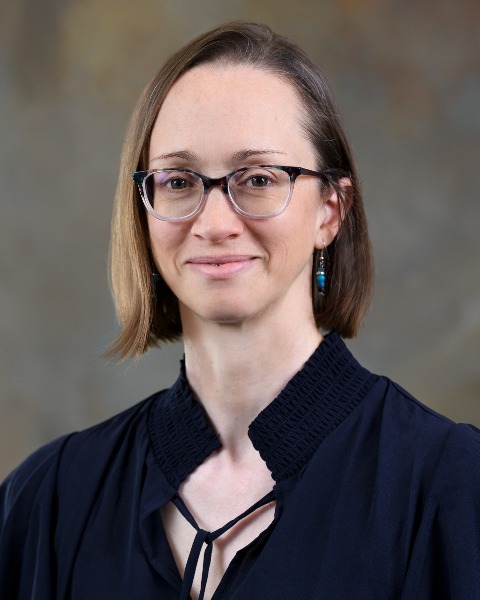
Presenter: Emily R. Herrington, MPH – Program Manager, Texas Department of State Health Services
At the end of this session, participants will be able to:
List three professional development and mentorship programming components of the Texas Public Health Fellowship Program including skill-building workshops, professional development planning, and career coaching.
Explain impact of the Texas Public Health Fellowship on fellows’ proficiencies in public health skills, host sites’ satisfaction with the program, and state and local public health workforces.
Describe the importance of early career programming to strengthening the public health workforce.
Brief Abstract Summary: Learn about the Texas Public Health Fellowship, a one-year, full-time, paid training program for early career public health professionals. Learn how practical learning paired with targeted skill building, mentorship, and professional development coaching increased public health skills among Texas Public Health Fellows. Learn how the Fellowship’s professional development coaching influenced fellows’ interest in working in government public health. Discover strategies for increasing career pathways into government public health and building the future public health workforce.
Detailed abstract description: Background Recognizing challenges to recruitment and retention in the public health workforce, the Texas Department of State Health Services (DSHS) developed an initiative to increase career pathways into government public health; address workforce needs in state and local public health; and strengthen skills among early career public health professionals. The Texas Public Health Fellowship is a one-year, full-time, paid training program for early-career public health professionals offered by DSHS. Fellows were recruited primarily from Texas universities and were matched to local health departments or DSHS programs where they received hands-on experience and training. Fellows also received skill-building workshops, mentorship, and professional development coaching throughout their fellowship year. Methods We evaluated the first three years of the Fellowship to understand its impact on the public health workforce. Fellows completed pre- and post-surveys to collect demographics, proficiency in public health skills, and satisfaction with Fellowship programming and host sites. Education and employment status after the Fellowship were collected via surveys at four months post- fellowship. Host site satisfaction was measured in a post-survey at the end of each fellowship year. To examine differences in skill proficiency before and after the Fellowship, overall and pairwise chi-square tests for independent samples were conducted. Results Three cohorts of fellows (average 33 fellows/cohort) participated in consecutive years from 2022-2025. Fellows reported statistically significant increases in proficiency in public health skills: for example, proficiency in communication with the public increased from 63% to 90% (p < 0.001), and data analytics skills increased from 60% to 76% (p = 0.043). Most host sites were highly satisfied with their fellows, viewed hosting a fellow as a net gain for their program, and reported that fellows filled workforce gaps. Fellows that took full advantage of professional development coaching were more likely to report that they could see themselves working in government public health after their fellowship. Four months post-fellowship, most fellows (60%) had started jobs in the public health sector, with 30% working at DSHS and 14.3% at a local health department in Texas. Conclusion Fellowship evaluation outcomes demonstrate benefits for fellows, host sites, and public health agencies. Our evaluation indicates that individualized mentorship, targeted skill-building, and professional development programming are effective strategies for public health workforce development. Practice-based learning and training could provide opportunities to enhance crucial public health skills among early career professionals. Engaging and training early career professionals has potential to improve recruitment for public health agencies, increase skill proficiencies, and build a strong and capable public health workforce for the future.