THURS-054 - Building Resilience in Medical Education: A Community-based Model for Health Promotion
Thursday, April 23, 2026
11:45 AM - 12:45 PM PST
Location: Plaza Foyer, Plaza Level
Area of Responsibility: Area VII: Leadership and Management Keywords: Access to Health Care@@@Behavior Change & theories@@@Career Development and Professional Preparation@@@Chronic Disease@@@College Health@@@Community He, Subcompetencies: 7.1 Coordinate relationships with partners and stakeholders (e.g., individuals, teams, coalitions, and committees)., 7.2 Prepare others to provide health education and promotion. Research or Practice: Practice
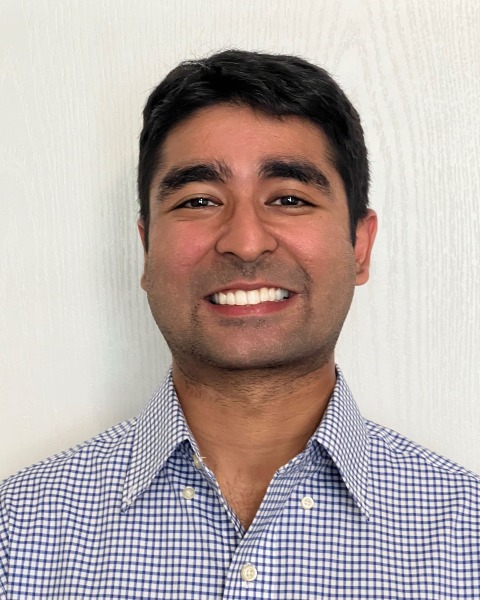
Medical Student Medical College of Georgia, AU/UGA Medical Partnership Athens, Georgia, United States
Learning Objectives:
At the end of this session, participants will be able to:
Apply at least three evidence-based resilience strategies including emotional self-regulation, strengths activation, and somatic awareness to develop a Personalized Resilience Plan.
Demonstrate how to adapt resilience coaching techniques for peer support and community health outreach to strengthen well-being among diverse populations.
Evaluate strategies for integrating a community-based resilience training model into academic medical and healthcare systems using open-source, turnkey resources.
Brief Abstract Summary: Discover how co-created resilience training for medical learners and health professionals addresses the growing crisis of burnout and mental wellness. This interactive session introduces a multi-factorial, educational model that integrates peer coaching, personalized resilience planning, and community-based outreach to strengthen well-being for those involved in health professions, leading to improved health outcomes. Attendees will experience elements of a personalized resilience session, practice coaching skills, and leave with access to an open-source platform offering turnkey training materials, tools, and fillable personalized resilience plans.. Participants will gain strategies to integrate resilience training into academic settings and community health networks, fostering sustainable well-being at both individual and systemic levels.
Detailed abstract description: The healthcare workforce is facing unprecedented levels of burnout, stress, and mental health strain, with far-reaching effects on healthcare overall. Addressing this growing crisis requires upstream, innovative, and action-oriented solutions that prepare the next generation of health professionals to thrive in complex stressful environments. This Deep Dive session presents an evidence-informed model of resilience that integrates individual emotional resilience, peer coaching, and community engagement to strengthen overall well-being and workforce sustainability. Participants will actively engage in activities that teach emotional self-regulation, strengths activation, somatic awareness, and self-regulated communication. They will practice coaching peers and begin building their own Personalized Resilience Plans. The session emphasizes the bi-directional impact of resilience training on learners’ and health professionals’ well-being and on the patients and communities they serve. This model leverages 15 years of successful implementation, recognized by the CDC and the White House, and has trained thousands of medical residents, students, and faculty across the country. Data supporting this approach will be presented to illustrate outcomes and highlight its adaptability across diverse academic and healthcare settings. Peer coaching, a structured, reciprocal process in which colleagues provide guidance, support, and feedback to one another, is central to this model, enabling participants to build resilience, practice emotional self-regulation, and foster supportive learning communities within academic and healthcare settings. By incorporating peer coaching and peer coach training, the program fosters “learning wellbeing communities” that extend into community outreach efforts in Georgia and beyond, co-creating sustainable wellness strategies with stakeholders. Attendees will leave with immediate access to a free, open-source learning platform containing step-by-step training guides, academic papers, videos, and downloadable materials. This turnkey resource enables participants to replicate resilience training in their own academic medical environments or community health networks, promoting equity and fostering long-term systemic change. At the conclusion of the session, attendees will also be invited to join an ongoing self-paced, self-training community of practice to deepen their resilience journey. By attending, participants will not only learn evidence-based strategies to address burnout but also gain the tools, training, and community connections to foster sustainable and action-focused resilience programs, ultimately transforming healthcare.