WED-051 - A Systematic Review of Psychosocial Interventions Among Adults with Comorbid Cancer and Type II Diabetes
Wednesday, April 22, 2026
12:30 PM - 1:30 PM PST
Location: Plaza Foyer, Plaza Level
Area of Responsibility: Area IV: Evaluation and Research Keywords: Cancer@@@Diabetes@@@Social Influence, Subcompetencies: 4.4.3 Identify limitations and delimitations of findings., 4.4.5 Identify implications for practice. Research or Practice: Research
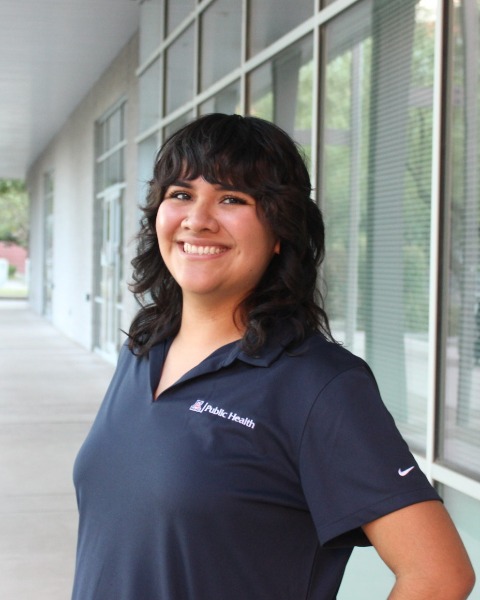
Poster Presenter: Lizbeth Olivarez – Graduate Research Assistant, Partnership for Native American Cancer Prevention
Author: Timian Godfrey, DNP – Associate Clinical Professor, University of Arizona, Partnership for Native American Cancer Prevention
Author: Sheila Hammer, MSW, LCSW – Associate Clinical Professor of Social Work, Northern Arizona University,
Author: Terry Badger, PhD, RN, FAPOS, FAAN – Co-Principle Investigator, University of Arizona, College of Nursing
Graduate Research Assistant Partnership for Native American Cancer Prevention, Arizona, United States
Learning Objectives:
At the end of this session, participants will be able to:
Develop and execute a replicable search strategy using relevant databases, keywords, and search strings related to comorbid T2D and cancer.
Evaluate current literature, including gaps regarding social support, and theoretical underpinnings of clinical strategies, while analyzing article methodologies utilized to conduct intervention trials on comorbid type 2 diabetes and cancer.
Synthesize manuscript key findings to inform key stakeholders and future psychosocial interventions for adults with co-morbid T2D and cancer.
Brief Abstract Summary: Discover the psychological, social and behavioral dimensions of cancer care that are uniquely overlooked for adults dealing with comorbid, life-changing conditions. A systematic, replicable search strategy, conducted from 2015-2025, across PubMed, Embase, CIHNAL, and Google Scholar, identified 4,210 articles which revealed a significant deficit of interventions that address the psychosocial wellbeing of adults coping with concurrent cancer and type 2 diabetes. Descriptions of intervention trials that report anthropometric, biometric, biometric, behavioral, or psychosocial health outcomes were selected using inclusion criteria that follow the PICOS framework. This systematic review explores the need for future oncology practices to integrate effective forms of social support in cancer care, in combination with health education, to improve treatment adherence in tandem with psychosocial functioning and increase patient self-efficacy to manage comorbidity related symptoms.
Detailed abstract description: Attendees will gain awareness of critical challenges diabetic cancer patients face to comprehensively co-manage their symptoms–an experience that exacerbates stress during treatment. The audience will comprehend how psychosocial support in cancer care will not only help patients emotionally cope but is also imperative to reduce risk of cancer recurrence, limit complications, and improve regimen adherence among patients with this dual diagnosis. While primary prevention strategies for cancer and type 2 diabetes frequently overlap due to shared risk factors–this alignment does not extend to tertiary prevention measures. The continuity of oncology care becomes fragmented once these common life-altering conditions co-exist. For the audience, this reveals a deficit in cancer care that will underscore the role providers and social support play to help patients navigate diabetes management while promoting life-long cancer survivorship. This presentation informs attendees of intervention trials that integrate psychosocial support aimed at cognitively reframing patient health beliefs related to self-efficacy to harmonize health education and clinical practice for adults with comorbid cancer and type 2 diabetes.