WED-066 - Bridging Barriers to Cancer Equity: Advancing Prevention and Screening Through Community Partnerships and Evidence-based Interventions
Wednesday, April 22, 2026
6:00 PM - 7:00 PM PST
Location: Plaza Foyer, Plaza Level
Area of Responsibility: Area III: Implementation Keywords: Access to Health Care@@@Cancer@@@Community Health Workers (CHW)@@@Community-Based Participatory Research@@@Health Promotion@@@Cultural Competence@@@Di, Subcompetencies: 3.1.2 Arrange for implementation services., 3.2 Deliver health education and promotion interventions. Research or Practice: Practice
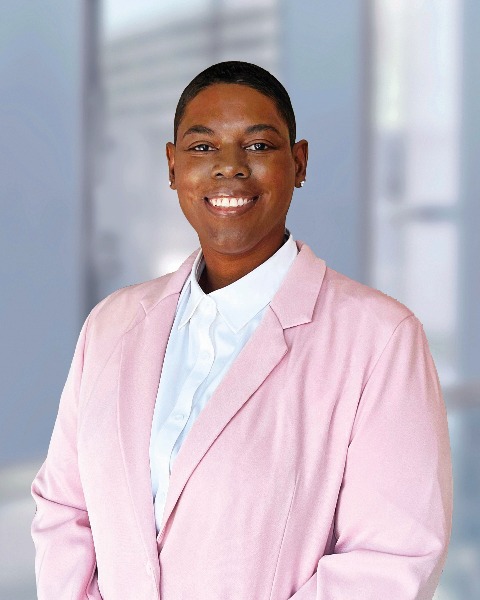
Director, Community Outreach and Engagement Houston Methodist Neal Cancer Center Houston, Texas, United States
Learning Objectives:
At the end of this session, participants will be able to:
Explain the design and implementation of a multilevel, community health worker-led cancer screening intervention within Federally Qualified Health Centers (FQHCs)
Discuss key considerations related to effectiveness and scalability of culturally tailored cancer prevention strategies in improving screening uptake and reducing disparities among diverse, low-income populations
Identify environmental and structural determinants including industrial air pollution, poverty, and lack of health insurance that contribute to elevated cancer incidence and mortality rates in Southeastern Texas.
Brief Abstract Summary: Learn about the implementation of a Community Health Worker/Promotor(a)-Driven Cancer Prevention and Navigation Program at an Urban Federally Qualified Health Center seeking to improve access to breast, cervical, colorectal and hepatitis C virus/liver cancer education, screening and navigation services. Through evidence-based strategies such as structural barrier reduction, free screenings, culturally tailored education, and patient navigation, this program increased screening uptake and improved early detection. Preliminary outcomes show that more than 2,478 individuals were reached with education and over 2,400 screenings were completed, demonstrating how community-based collaboration can reduce disparities and improve cancer outcomes.
Detailed abstract description:
Background: Low-income individuals in medically underserved areas of Texas experience significantly higher cancer incidence and mortality rates, compounded by environmental and structural inequities. The Houston Methodist Neal Cancer Center catchment area encompasses a diverse 8-county Southeastern Texas region where 20.6% of residents are non-Hispanic Black, 38% are Hispanic/Latino, 31% live in poverty, and 19% lack health insurance. A ProPublica investigation identified cancer-causing industrial air pollution hotspots throughout this region, while the non-Hispanic Asian population is projected to double to 18% by 2030, driven primarily by Vietnamese and Asian Indian communities. Federally Qualified Health Centers (FQHCs) serve as critical safety net providers offering comprehensive primary and preventive care regardless of ability to pay. This partnership between Houston Methodist Neal Cancer Center and Legacy Community Health, Texas's largest FQHC, delivers breast, cervical, colorectal, and liver cancer prevention and early detection services through a community health worker led patient navigation model.
Methods: This comprehensive multilevel intervention implements evidence-based cancer screening strategies aligned with USPSTF and ACS guidelines. The program reduces structural barriers by offering extended service hours with targeted screening events, eliminating out-of-pocket costs through free screening services, and providing transportation assistance. Patient engagement is achieved through culturally tailored outreach and education delivered via small group sessions and one-on-one consultations specific to each cancer type. Appointment reminder systems and recall protocols ensure continuity of care, while comprehensive tracking mechanisms monitor patient completion rates across the entire screening, diagnostic, and treatment continuum.
Results: To date, we have established cancer screening and prevention services uptake protocols and workflows at three FQHCs. Within 18 months of this 3-year project, we have reached 98.8% of our target (2,478 individuals) across all three FQHC locations with culturally appropriate cancer prevention education. In terms of screening by cancer type, we have provided 672 for breast cancer, 601 for colorectal cancer, 450 for cervical cancer and 755 for hepatitis C virus/liver cancer.
Conclusions/Future Implications: This multi-institutional partnership demonstrates that comprehensive cancer screening services can be successfully implemented in medically underserved communities through community health worker led patient navigation. Achieving 98.8% enrollment and delivering over 2,400 screenings across four cancer types within 18 months validates the effectiveness of the community to clinic linkage model for reducing cancer disparities. This approach offers a replicable, scalable framework for expanding equitable cancer screening access through FQHC and safety net partnerships nationwide.