THURS-071 - Perceptions of Disaster Preparedness Among Role-playing Casualties Before and After a Mass Casualty Drill
Thursday, April 23, 2026
5:00 PM - 6:00 PM PST
Location: Plaza Foyer, Plaza Level
Area of Responsibility: Area IV: Evaluation and Research Keywords: Community Health@@@Disaster and Emergency Preparedness@@@Evaluation, Subcompetencies: 4.4.4 Draw conclusions based on findings., 4.4 Interpret data. Research or Practice: Research
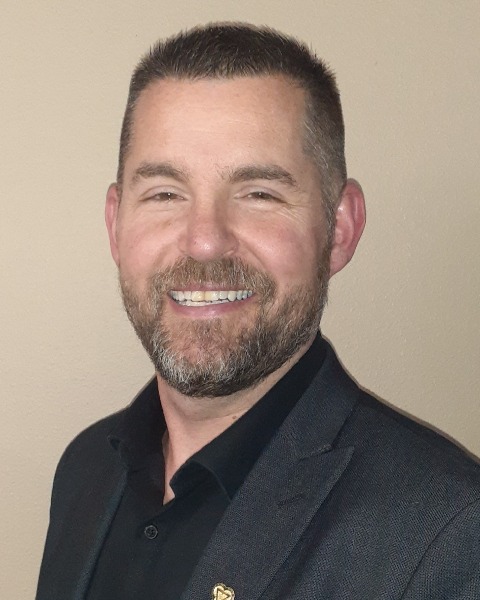
Professor MSU-Mankato Mankato, Minnesota, United States
Learning Objectives:
At the end of this session, participants will be able to:
Evaluate the pre-post-disaster mass casualty simulation drill personal preparedness perceptions of community member mock victim actor participants.
Describe implications for future mass casualty simulation drills involving community members
Describe future implications for research/evaluation
Brief Abstract Summary: Discover the insights of community members regarding their personal disaster preparedness perceptions and behaviors before and after they role-played as mock victims in a disaster mass casualty simulation drill. Little is known about the perceptions of community members as actors in these drills. Before the start of their pre-drill orientation and after completion of the half-day drill, participants completed a confidential, written disaster behavioral assessment. Pre-post-test differences among the total scores and three subscales (Assess Risk and Readiness, Access Disaster Apps, and Mitigate Damage) were compared. Results revealed statistically significant (p < 0.001) increases in all scores between the pre- and post-assessments. It seems community members, like health professionals participating as mock victims, may also improve some preparedness behaviors when acting as standardized patient victims in disaster drills.
Detailed abstract description: Discover the insights of community members regarding their personal disaster preparedness perceptions and behaviors before and after they role-played as mock victims in a disaster mass casualty simulation drill. In many disaster mass casualty simulation drills, healthcare professionals and health profession students have been used as actors or standardized patients. Healthcare professionals and health professions students, even just participating as actors, increased their disaster preparedness knowledge, attitudes, and skills. Little is known, however, about the perceptions of community members as actors in these drills. As an exploratory study, 26 adult community volunteers who participated as victims/actors in a half-day disaster mass casualty simulation drill completed a confidential, written disaster communication assessment before and after the drill to assess how often they engaged or would engage in preparedness activities. The Citizen Disaster Communication Assessment (CDCA), developed by Spialek and Houston (2018), contains 22-items within three distinct subscales. These subscales assess use of disaster-specific apps (Access Disaster Apps), disaster-related information seeking and communication (Assess Risk and Readiness), and disaster mitigation communication (Mitigate Damage). A series of Wilcoxon Signed-Rank tests were used to compare pre-post-test differences among the total survey scores and the three subscales. A non-parametric analysis was chosen due to the small sample size and non-normal distribution of subscale scores. Descriptive statistics were used to analyze individual CDCA items. The results revealed statistically significant (p < 0.001) increases in all subscale scores between the pre- and post-assessments. The results of the study show that community members, like health professionals participating as mock victims, may also improve some aspects of disaster preparedness as standardized patient victims in disaster drills. Increased community engagement in drills can support citizen understanding of preparedness. Therefore, the results can be used by health agencies responsible for disaster preparedness and response training to support the creation and execution of disaster drills and the inclusion of community members among stakeholders and potential funders.