THURS-037 - The Global Health Case Competition: An Experiential, Team-based Approach for Training Undergraduate and Graduate Students
Thursday, April 23, 2026
11:45 AM - 12:45 PM PST
Location: Plaza Foyer, Plaza Level
Area of Responsibility: Area VII: Leadership and Management Keywords: Career Development and Professional Preparation, Subcompetencies: 7.2 Prepare others to provide health education and promotion., 7.2.3 Assess training needs. Research or Practice: Practice
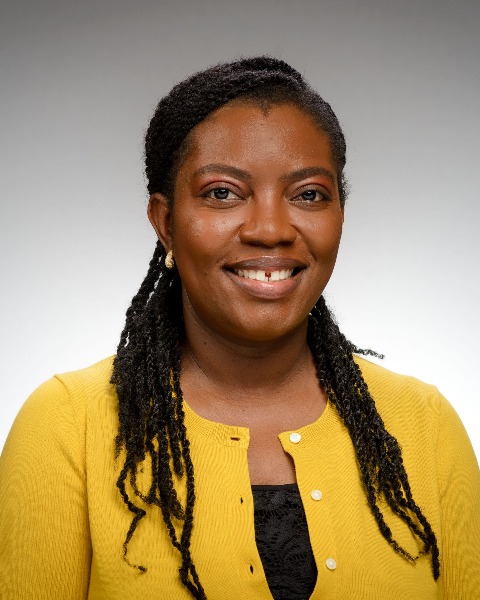
Assistant Director Eck Institute for Global Health, University of Notre Dame Notre Dame, Indiana, United States
Learning Objectives:
At the end of this session, participants will be able to:
Describe the Global Health Case Competition as an experiential learning model.
Analyze the benefits and limitations of traditional global health learning experiences (e.g., study abroad programs) compared to
case-based learning approaches.
Identify at least two strategies for replicating a similar model in their own educational context
Brief Abstract Summary: Discover how the University of Notre Dame’s Global Health Case Competition (GHCC) offers an innovative, team-based approach to global health training. This experiential learning model engages students with diverse backgrounds to collaboratively design sustainable solutions to real-world health challenges. Learn how the GHCC promotes multidisciplinary collaboration, fosters leadership and problem-solving skills, and provides an accessible alternative to more traditional global health experiences, such as study abroad. Gain insights from a decade of lessons learned and participant feedback for implementing similar transformative programs.
Detailed abstract description: Within the last decade, global health interest among students in the U.S. has grown rapidly. Many colleges and universities often facilitate students’ introduction to the global health field through student exchanges and study abroad programs. However, some of these options are not always feasible, affordable, or appropriately structured for many students or the overseas organizations to whom they are assigned. Thus, alternative and effective strategies should be considered for training the next generation of global health leaders.
The Global Health Case Competition (GHCC) at the University of Notre Dame is an immersive, experiential learning opportunity that improves students’ understanding and appreciation of the multidisciplinary field of global health. It is a campus-wide, team-based event that provides an avenue for undergraduate and graduate students with diverse backgrounds to tackle complex, real-world health challenges. Teams, composed of four to six students, receive a case about a current health challenge and must develop and present a realistic solution to the case within approximately ten days of receipt. Competition participants do not need previous global health experience; however, they can leverage the collaboration with their peers from various disciplines to build an innovative, student-driven solution that they present before a panel of judges with expertise in public health, policy, business, medicine, and other fields as relevant to the case. In addition to receiving an assigned faculty or staff mentor, a core requirement for each team is to include students representing at least three distinct majors and various college levels. A key benefit of the annual competition is it highlights the relevant contributions of various disciplines to global health, while helping students appreciate the value in the formation of collaborative, feasible, and sustainable solutions to complex challenges.
Drawing on a decade of experience with the GHCC, we present its structure over time, lessons learned from case writing and competition implementation, participant and mentor feedback, and tips for using and expanding this transformational and impactful, team-based learning approach in global health education.