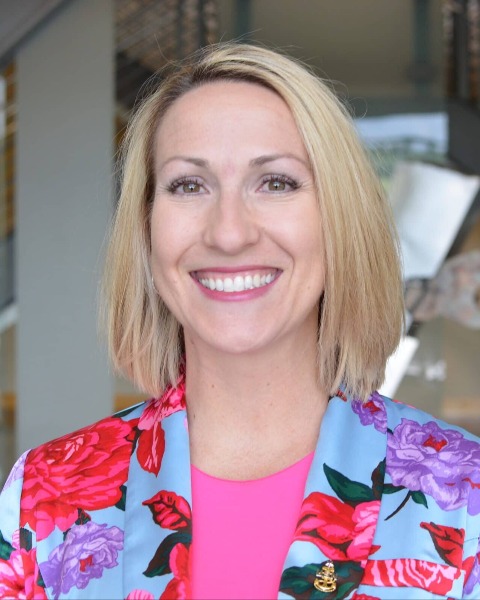
THURS-049 - Multilevel Social Determinants of Health in Rural Cancer Survivors in the U.S
Thursday, April 23, 2026
11:45 AM - 12:45 PM PST
Location: Plaza Foyer, Plaza Level
Area of Responsibility: Area I: Assessment of Needs and Capacity Keywords: Cancer@@@Health Promotion@@@Health Disparities, Subcompetencies: 1.2.3 Conduct a literature review., 1.3 Analyze the data to determine the health of the priority population(s) and the factors that influence health. Research or Practice: Research
Assistant Professor University of Arkansas for Medical Sciences Little Rock, Arkansas, United States
Learning Objectives:
At the end of this session, participants will be able to:
Upon completion of this session, participants will be able to identify two challenges rural cancer survivors experience compared to their urban counterparts.
Upon completion of this session, participants will be able to list two benefits of living in rural areas for cancer survivors.
Upon completion of this session, participants will be able to discuss the levels of influence in the National Institutes of Minority Health and Health Disparities Research Framework.
Brief Abstract Summary: Gain a unique understanding of the multiple influences of health rural cancer survivors experience. Cancer survivors living in rural areas face distinct challenges compared to their urban counterparts including limited resources, socioeconomic deprivation, and limited access to quality healthcare services. We adapted the levels of influence in the National Institute on Minority Health and Health Disparities Research Framework to conduct an extensive literature search on factors impacting rural cancer survivorship in the United States for the past 10 years. Results supported rural cancer survivors experience limited access to health resources and are at an increased risk of financial hardship, adverse health behaviors, unmet psychosocial needs, worse health outcomes, and poorer long-term survival compared to their urban counterparts. However, they often have greater community and social support, cancer-related self-efficacy, and self-care management.
Detailed abstract description: What’s in it for the attendee: Attendees will leave this session being updated and informed on the multiple levels of health determinants for cancer survivors living in rural areas in the U.S.
Purpose: Cancer survivors living in rural areas face distinct challenges compared to their urban counterparts including limited resources, socioeconomic deprivation, and limited access to quality healthcare services. Despite numerous studies assessing rural-based challenges for cancer survivors in large cohorts and institutional settings, no known review has focused on the multiple levels of health determinants for cancer survivors living in rural areas.
Methods: We adapted the levels of influence in the National Institute on Minority Health and Health Disparities Research Framework to conduct an extensive literature search on individual (behaviors), interpersonal (social support), community (economic burden, employment, cultural considerations, quality of and access to care), and societal (policies integrating social determinants of health and policies improving quality of and access to care) factors impacting rural cancer survivorship in the United States for the past 10 years. Findings: After eliminating ineligible articles and duplicates, 134 peer-reviewed full text articles were identified. Methodology vastly differed across articles. Results supported rural cancer survivors experience limited access to health resources and are at an increased risk of financial hardship, adverse health behaviors, unmet psychosocial needs, worse health outcomes, and poorer long-term survival compared to their urban counterparts. However, they often have greater community and social support, cancer-related self-efficacy, and self-care management.
Conclusions: Health disparities and inequities were discovered across all levels of influence. Multiple levels of influence affect the conditions in which rural cancer survivors grow, live, work, play, and age. Findings will result in better understanding and a foundation for equitable survivorship care plans.