D3. Roundtable: Co-Designing the Future: Engagement and Leadership in Health Education
D3.02 - Roundtable: Engaging and Retaining Youth in Public Health Spaces: From Tokenism to Co-creation
Thursday, April 23, 2026
8:50 AM - 9:10 AM PST
Location: Galleria, Ballroom Level
Area of Responsibility: Area V: Advocacy Keywords: Advocacy@@@Empowerment@@@Workforce Development, Subcompetencies: 5.2 Engage coalitions and stakeholders in addressing the health issue and planning advocacy efforts., 5.3 Engage in advocacy. Research or Practice: Practice
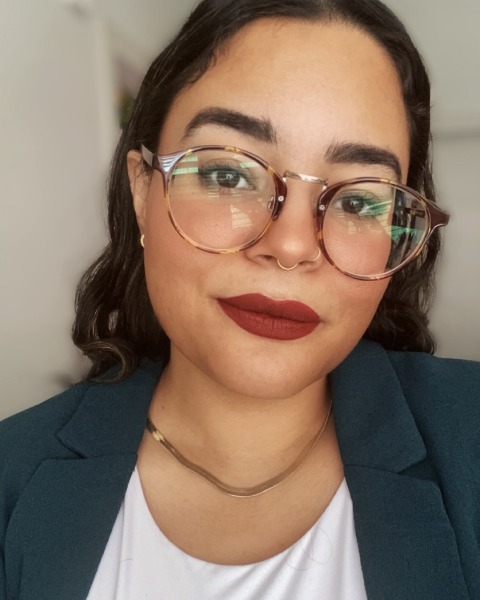
Program Manager Children's Hospital Colorado Aurora, Colorado, United States
Learning Objectives:
At the end of this session, participants will be able to:
Describe key principles for authentically engaging youth in meaningful public health initiatives and cultivating effective workforce development pipelines.
Develop a personalized action plan to integrate youth engagement practices into professional settings, with the goal of cultivating the next generation of public health leaders
At the conclusion of this workshop, the participants will be able to comprehend the core strategies for effectively creating and implementing youth councils to enhance community impact
Brief Abstract Summary: Engaging youth in public health initiatives like Youth Advisory Councils, ensures that young people are not only viewed as recipients of public health interventions, but rather active decision makers in the field while serving as an incubator for the next generation of public health leaders. These initiatives foster leadership, advocacy, and systems-level thinking from an early age and offer bidirectional learning opportunities for both youth and adult professionals. Youth gain valuable exposure to the public health field, professional environments, and leadership skills while adults benefit from the lived experiences and perspectives that youth bring to the field. Led by members of the Youth Council on Mental Health, they will show that youth councils are more than an engagement strategy to improve public health programs, they are investments in building a more representative, innovative, and communally-engaged public health workforce equipped to meet the needs of tomorrow.
Detailed abstract description: Community engagement is a cornerstone of impactful public health programming ensuring that initiatives are not only effective but also culturally relevant and responsive to the needs of those being served. Despite evidence backing community-engaged approaches, young people are often excluded from the spaces in which public health decisions impacting them are made. This exclusion undermines the potential for truly transformative public health initiatives that are co-created in partnership with youth and that serve as incubators for the next generation of public health leaders. The Youth Council on Mental Health (YCMH) is a youth-lead, adult-supported initiative at Children’s Hospital Colorado that aims to challenge the current system by creating spaces in which young people are not only viewed as recipients of public health interventions, but rather active decision makers in the field. Youth councils offer opportunities for young people to explore their interest in public health fields, advocate for themselves and others, and innovate new strategies in partnership with adult professionals. This bidirectional exchange allows for youth to gain exposure to public health systems, leadership development, and professional environments while adults benefit from the creativity, perspectives, and lived-experiences of youth. Drawing on the lived experiences of members of the YCMH and the principles of Roger Harts’ Ladder of Youth Participation, attendees will gain insight into how intergenerational collaboration can foster innovative, meaningful, and sustainable public health initiatives. Through open discussion, storytelling, and reflective group activities participants will assess their current approaches to youth engagement, identify barriers that hinder meaningful engagement, and reflect on how adultism and paternalism may be shaping their work. The session will conclude with the development of individual practical implementation strategies and tools to build and strengthen youth engagement practices in their own work and intentionally cultivate the next generation of public health leaders.